
Precision engineering today leaves very little room for approximation. Tolerances are tighter, delivery timelines are shorter, and customers expect consistency across every batch. For Indian manufacturers supplying automotive, electrical, industrial equipment, and export-oriented components, even a small deviation can lead to rework, rejection, or reputational damage. Focusing on this, CNC-based production has steadily become the staple of the industry.
Businesses consider CNC machining services to solve very real shop-floor problems, such as inconsistent manual output, rising scrap, skilled labour dependency, or limited scalability. Understanding how CNC metal cutting directly supports precision machining, quality control, and predictable output helps decision-makers invest smartly, especially when supported by structured financing options like machine loans.
What is a CNC Metal Cutting Machine?
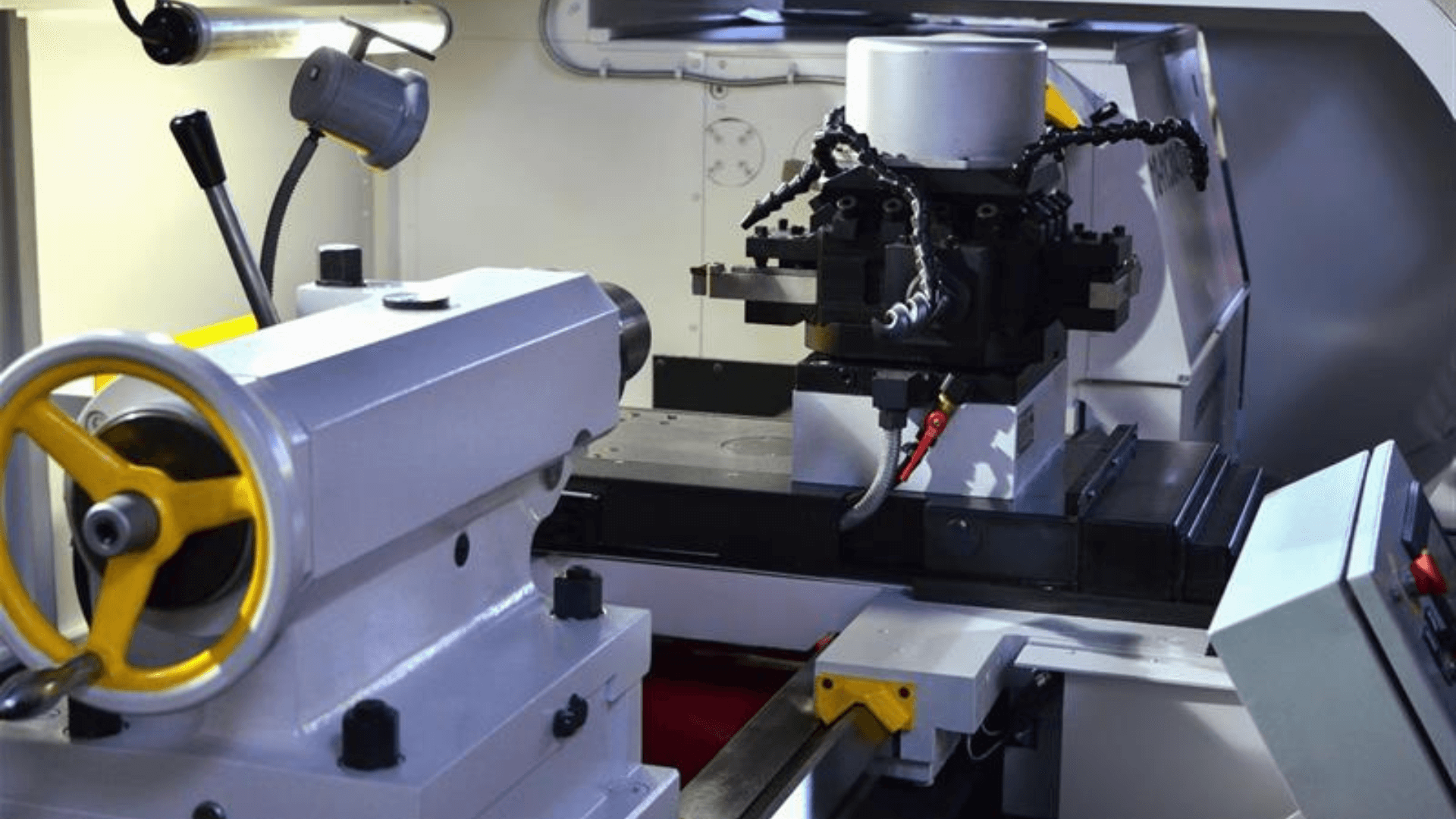
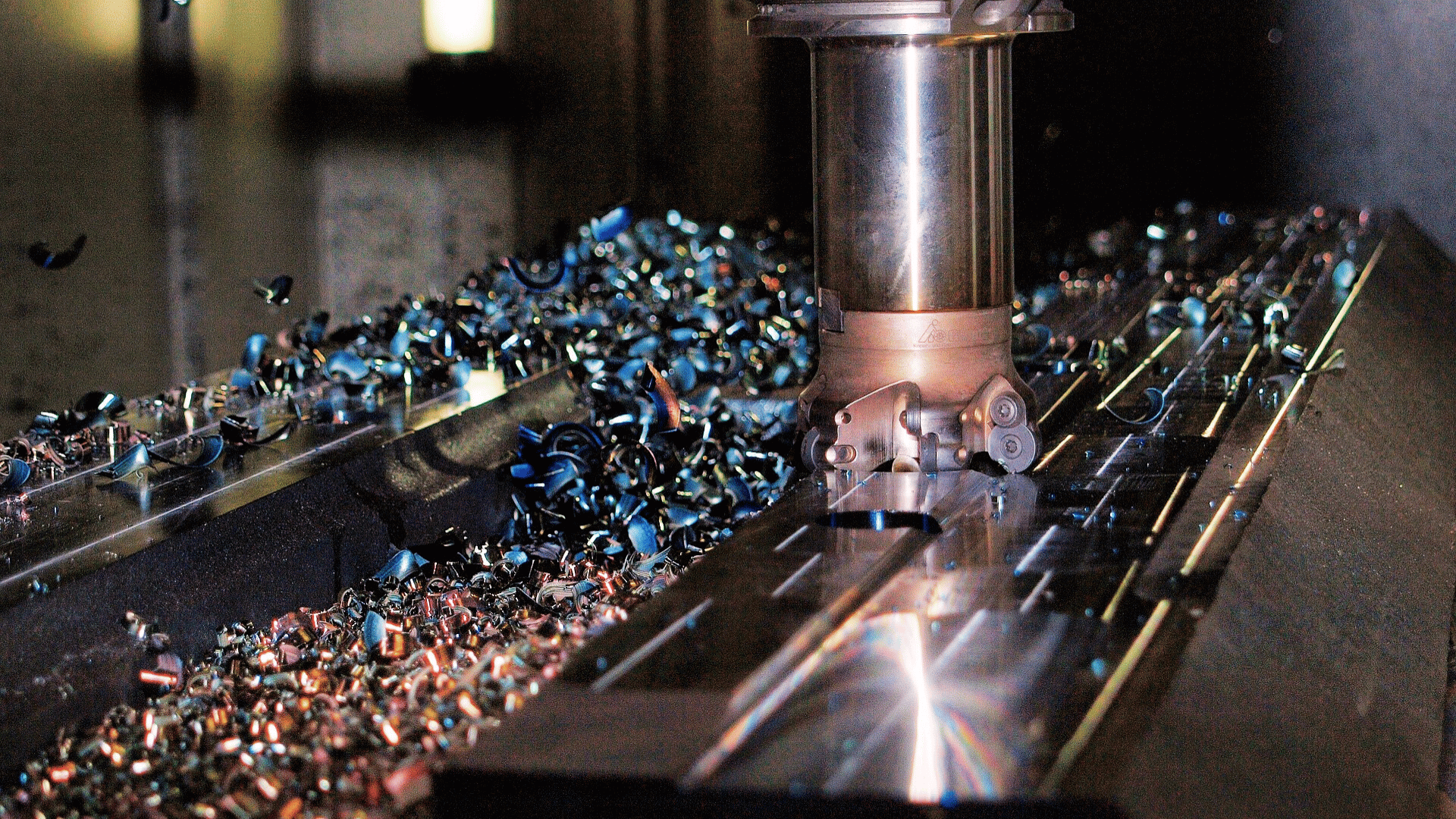
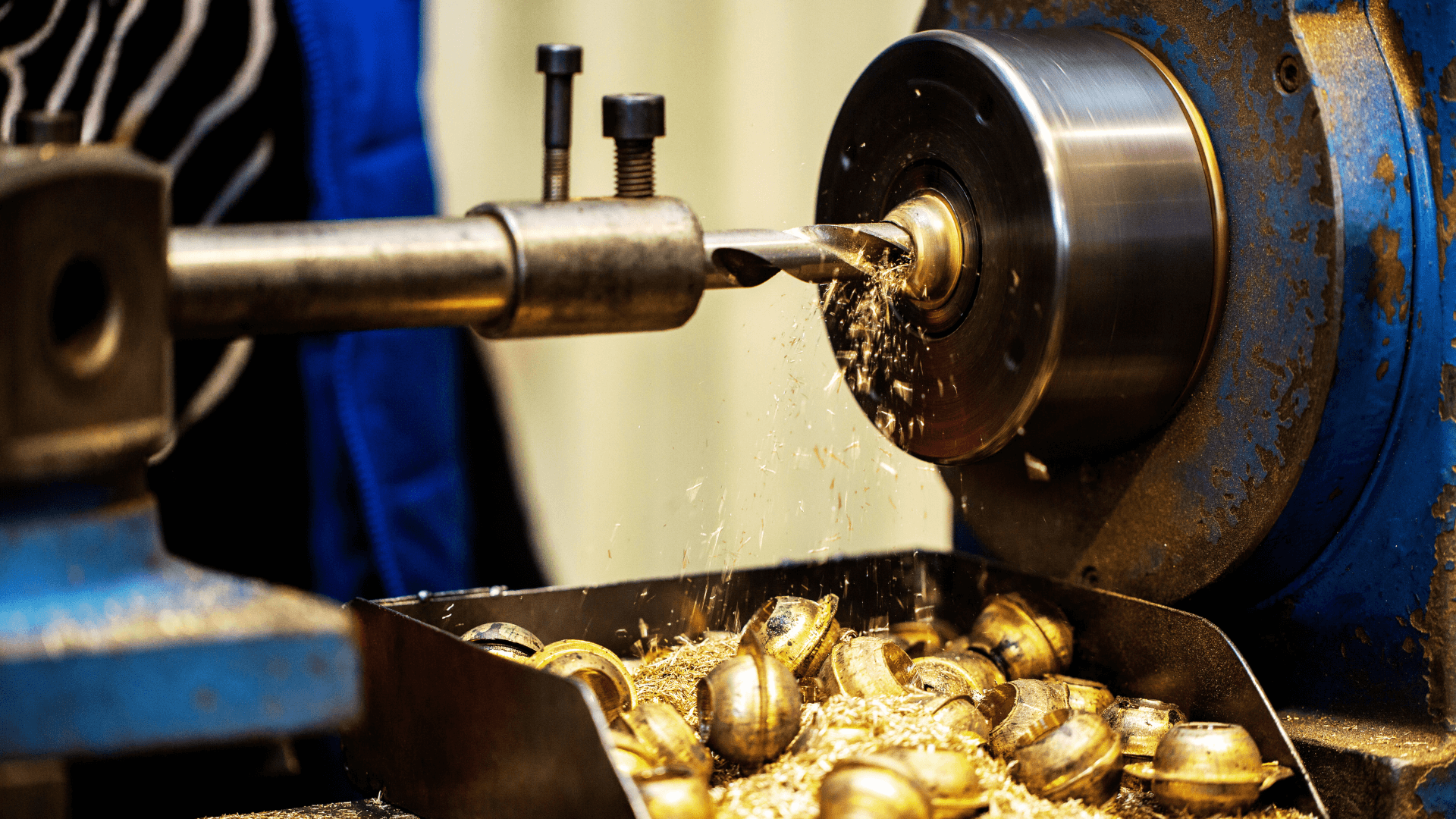
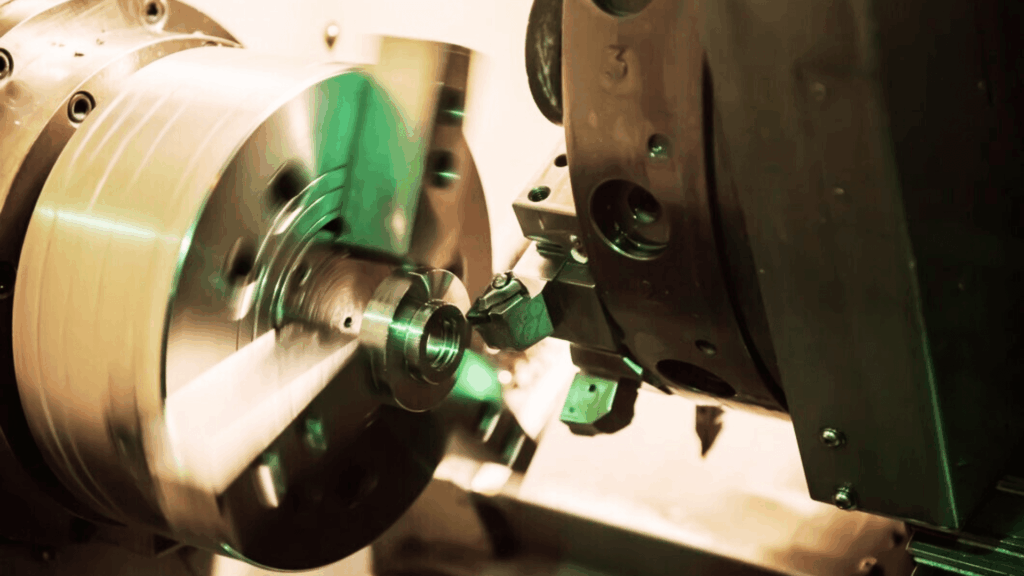
A CNC (Computer Numerical Control) metal cutting machine is a manufacturing system where cutting tools are guided by programmed instructions rather than manual hand movements. These machines interpret digital designs and execute cuts with high accuracy across metals such as titanium, steel, aluminium, brass, and superalloys.
Unlike manual tools, CNC-led manufacturing processes follow predefined tool paths and parameters, ensuring repeatability across parts. This level of control is particularly valuable when producing precision machining components that must meet strict dimensional and surface finish requirements. From milling and turning to drilling and profiling, CNC metal cutting allows manufacturers to standardise production without relying heavily on operator judgement for every step.
Why Precision Engineering Demands CNC-Level Control
Precision engineering is built around consistency. When components are part of assemblies or systems, variation in even a fraction of a millimetre can affect performance, safety, or lifespan.
Manual machining is affected by individual skill, focus and fatigue levels, and setup variations. CNC control reduces these dependencies by locking in parameters digitally. This results in:
- Reliable dimensional accuracy across batches
- Uniform surface finishes
- Controlled cutting speeds and feeds
- Reduced risk of human error during repetitive operations.
For businesses delivering narrow-tolerance parts, CNC-level control supports compliance, traceability, and customer confidence, especially when scaling production.
CNC Machining Services for Increased Efficiency
Enhanced Precision and Repeatability
One of the clearest advantages of CNC metal cutting machines for precision engineering is consistency. Once a program is validated, the same part can be produced repeatedly with minimal deviation. This is how CNC metal cutting improves accuracy and repeatability in real production environments. This accuracy leads to lower inspection failures and more reliable assembly outcomes.
Reduced Rework and Material Wastage
CNC machines follow programmed tool paths precisely, which results in lower rework and scrap rates due to accurate, programmable machining. Reduced wastage directly impacts cost control and profitability, particularly when working with expensive raw materials.
Faster Production Cycles
Using CNC systems enables shorter production cycles with faster setup, changeovers, and automated workflows. Multiple operations can be completed in a single setup, saving time without compromising quality. This is especially beneficial for manufacturers handling varied part designs.
Scalable Output with Predictable Quality
Scalable production with dependable quality control and predictable output is a key reason many businesses migrate to CNC platforms. You can offer complex geometries on a range of materials. When producing small batches or scaling volumes, CNC machines allow output to increase without proportional increases in lead times and defects.
Better Competitiveness Against Manual Machining
When comparing CNC metal cutting vs manual machining for precision components, CNC consistently delivers better uniformity, higher throughput, and improved documentation. This helps manufacturers meet demanding customer specifications and compete for higher-value contracts.
When is CNC Metal Cutting the Best Choice?
CNC metal cutting is particularly effective when:
• Parts have tight tolerance requirements
• Volumes are medium to high
• Repeat orders are expected
• Skilled manual operators are difficult to retain
• Quality consistency is contractually critical
Manufacturers offering precision machining services often find CNC adoption essential to maintain delivery commitments without compromising margins.
Buyer Guidance: How to Choose the Right CNC Machine
Selecting the right CNC setup requires aligning technical needs with financial capacity. Consider:
- Component size and material type
- Required tolerances and surface finishes
- Production volume forecasts
- Availability of programming and maintenance support
Financial Considerations
- Total Cost of Ownership (TCO): Look beyond the sticker price. Factor in power consumption, tooling costs, and the Internal Rate of Return (IRR) the machine will generate for your shop floor.
- Asset Financing: Using a specialised machine loan allows you to keep your working capital free for raw material procurement while the machine “pays for itself” through increased throughput.
For businesses planning to invest in CNC technology, structured funding such as a machine loan can ease capital pressure while enabling timely technology upgrades. Alternatively, partnering with reliable CNC machining service providers can offer flexibility without upfront investment.
Conclusion
CNC metal cutting machines have become central to modern precision engineering because they address core manufacturing challenges, such as accuracy, repeatability, efficiency, and scalability. For Indian manufacturers producing high-value metal components, CNC adoption supports long-term competitiveness and operational resilience.
Aligning CNC machinery capability with business goals ensures that precision is delivered consistently and profitably. You can avail easy financing options tailored to machinery purchase on the EFL Clik App.
FAQs
CNC metal cutting machines vs manual machining: which is more accurate?
CNC machines are significantly more accurate and precise due to programmed control and reduced operator dependency. Manual machining accuracy varies with skill and fatigue.
Do CNC metal cutting machines reduce production costs?
Yes. Lower scrap, reduced rework, and faster cycles help offset initial investment and reduce per-part cost over time.
How do CNC metal cutting machines improve repeatability?
Once a CNC program is finalised, the same instructions are executed identically for each part, ensuring uniform output across batches.