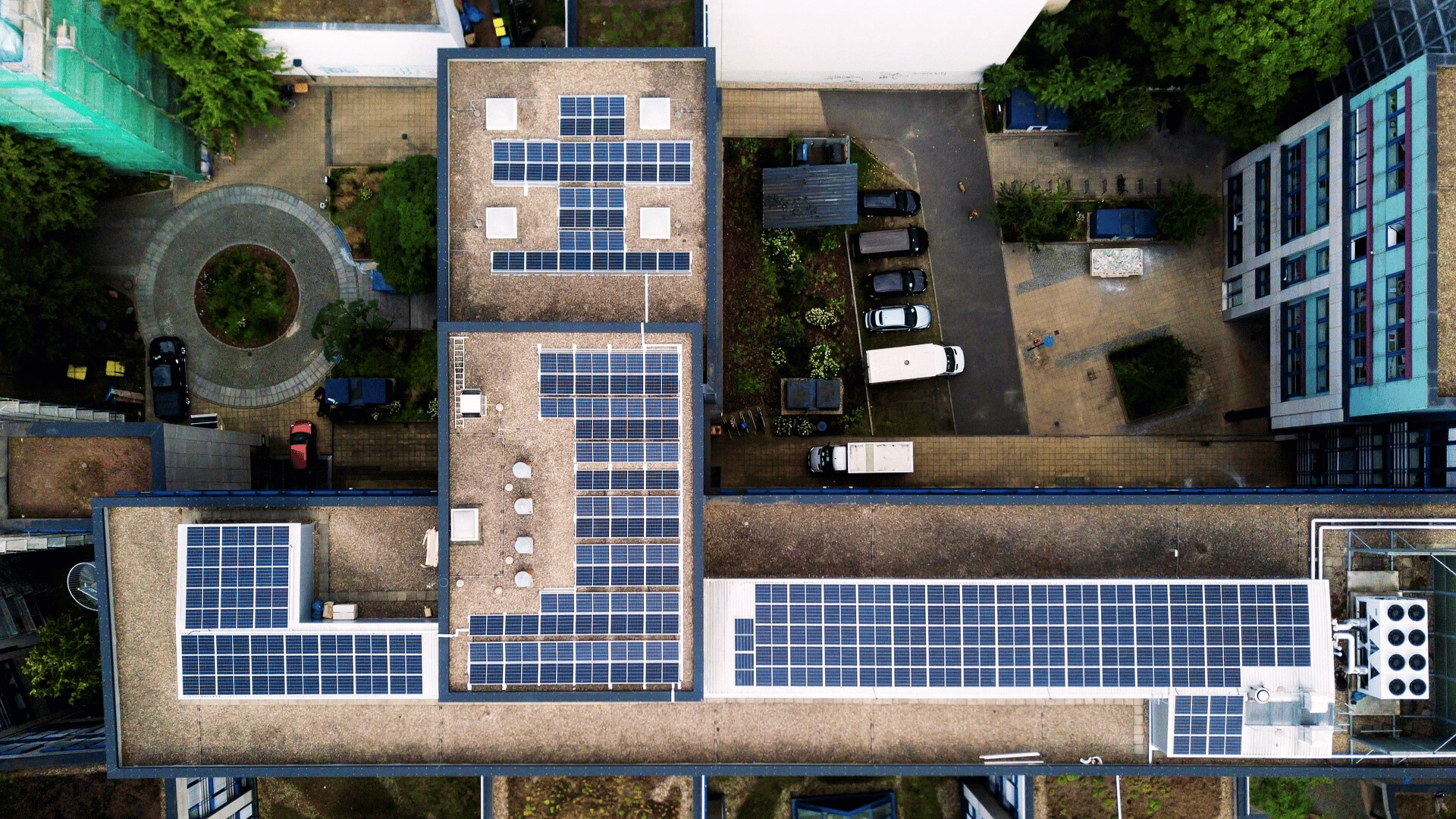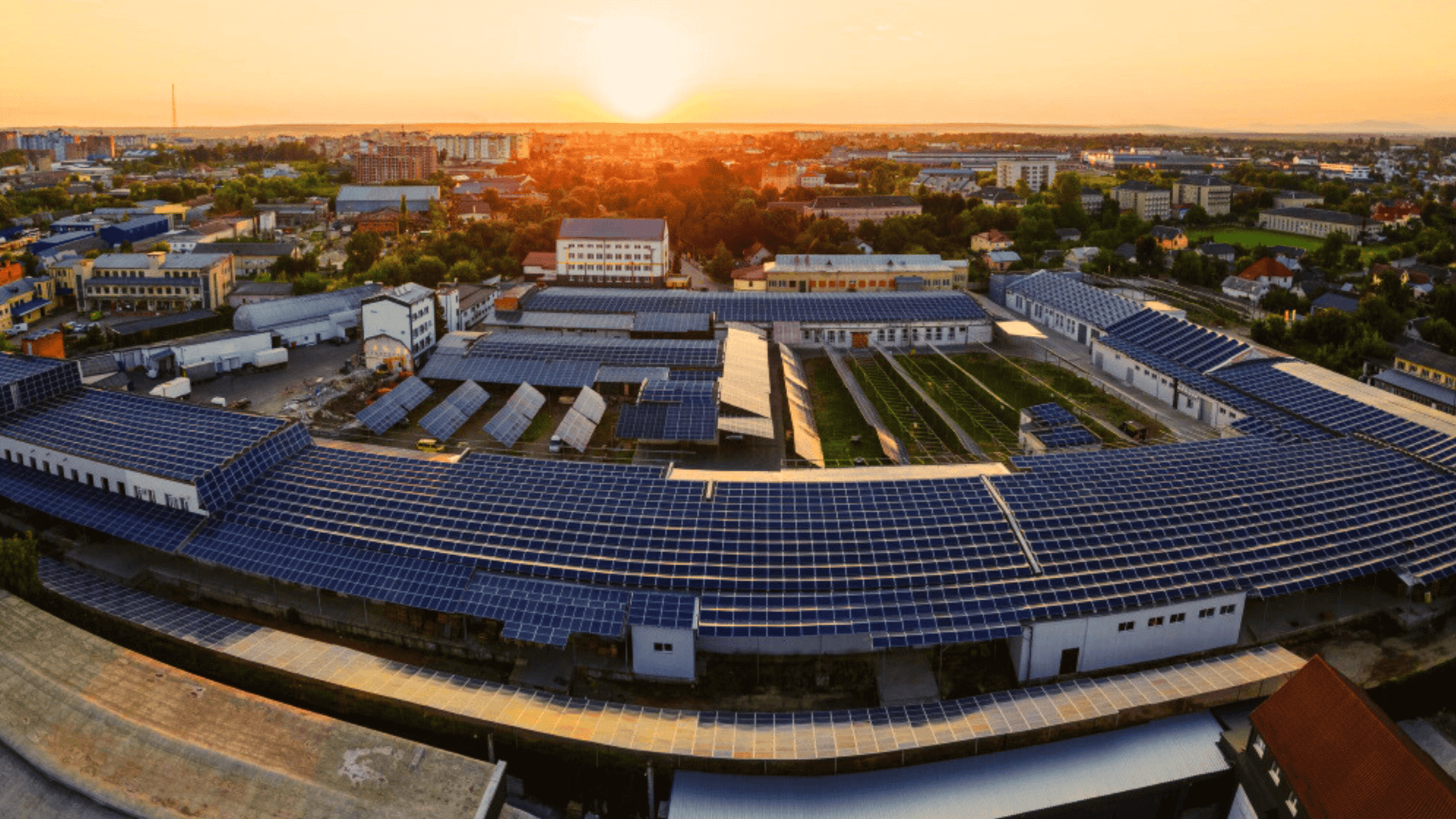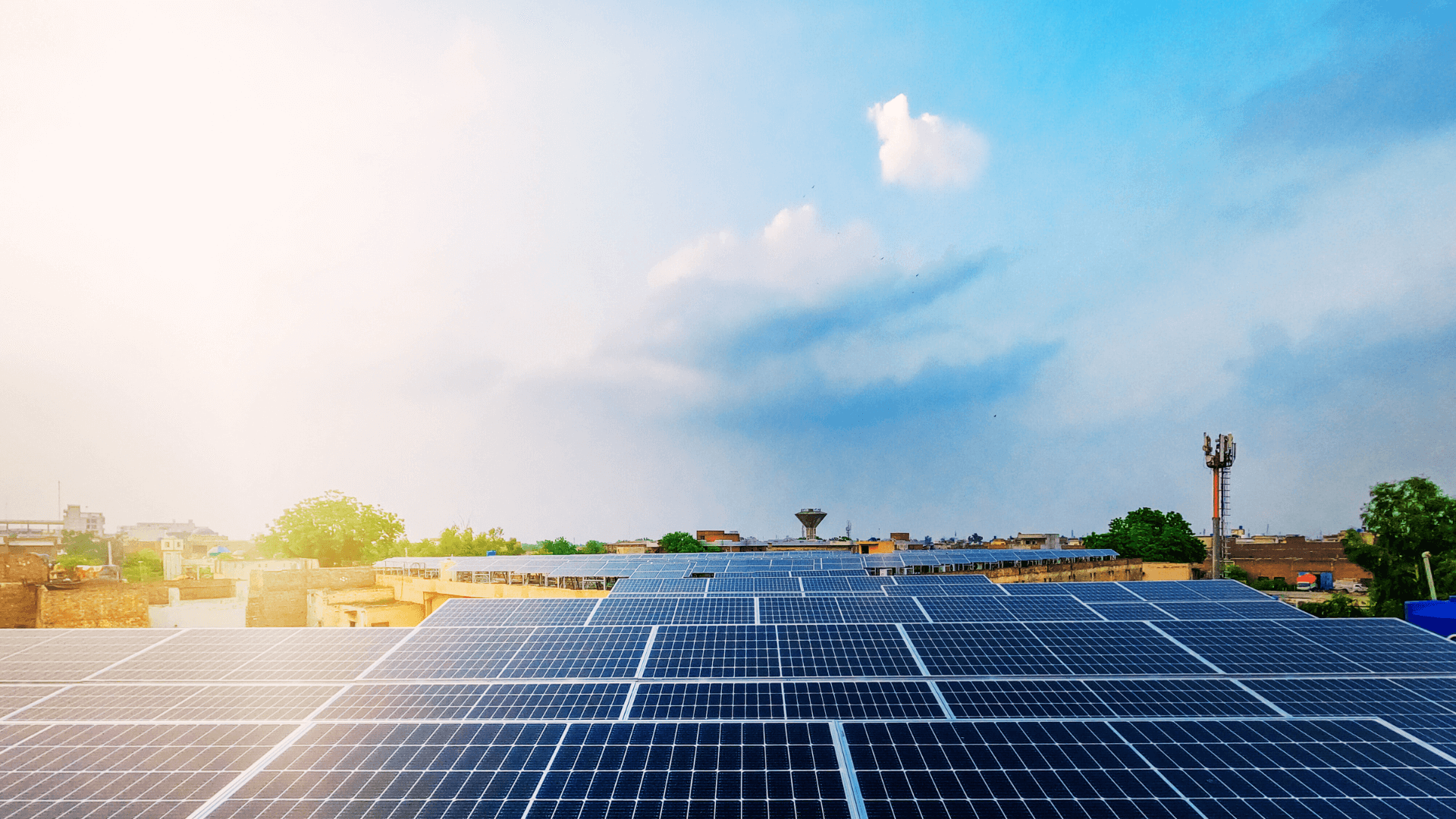


A carbon footprint measures the total greenhouse gases produced by human activities, with electricity consumption being one of the largest contributors. In most Indian homes, electricity comes from power plants that burn fossil fuels like coal and natural gas, which release Carbon Dioxide (CO2) and other pollutants into the atmosphere.
This greenhouse gas emission from the electricity you use every day is your indirect carbon footprint. The objective should be to improve our energy efficiency.
Switching to solar energy significantly reduces this footprint. Solar panels generate clean energy with no carbon emissions, and help homeowners lower their environmental impact.
How Rooftop Solar Reduces Emissions (The Simple Explanation)
Rooftop solar systems are a powerful solution for reducing carbon emissions associated with electricity consumption. Here’s how adoption of solar energy helps us in our fight against climate change:
- Clean Energy Generation: Solar panels convert sunlight into electricity without any carbon emissions. This means that instead of relying on fossil fuel-based energy sources like coal or natural gas, homes can generate their own clean energy.
- Reduced Need for Fossil Fuels: The more solar power a household uses, the less it depends on energy sources like coal and natural gas, both of which are major contributors to greenhouse gas emissions. This leads to a reduction in overall carbon footprint and carbon dioxide emissions.
- Lower Grid Demand: Rooftop solar panels often produce more than the household’s regular energy consumption, which can be sent back to the grid in an on-grid model. This helps reduce the need for power plants to generate additional electricity from fossil fuels, further decreasing carbon emissions on a larger scale.
- Sustainable Energy Source: Unlike conventional electricity generation, which relies on finite fossil fuels, this sustainable and renewable energy reduces dependence on polluting energy sources and supports long-term carbon reduction goals.
Where Solar Loans Fit In (And Why They Can Reduce Carbon Faster)
Solar loans provide an accessible financing option for homeowners looking to install rooftop solar panels, but who may not have the upfront capital. Here’s how solar loans fit in and help reduce carbon emissions more rapidly:
- Affordable Access to Solar: Solar loans allow homeowners to install solar energy systems with little to no upfront cost.
- Faster Adoption: By removing financial barriers, solar loans speed up the switch to renewable energy. This leads to earlier carbon emission reductions by shortening the timeline to installation.
- Lower Energy Bills: Monthly payments for solar loans are often lower than traditional electricity bills. This helps homeowners save money while using clean energy.
- Long-Term Benefits: The wider adoption of residential solar power through solar loans reduces reliance on fossil fuels.
Common Types of Rooftop Solar Financing (Pros and Cons)
Homeowners can choose from several rooftop solar financing options, each with its own benefits:
Solar Loans
Pros: Low interest rates and flexible terms make solar loans an affordable way to install solar panels. You get complete ownership of the system after repaying the loan. Even when you are repaying the loan, you can benefit from long-term savings on electricity bills. Owning the system via a loan allows the homeowner to claim the PM-Surya Ghar: Muft Bijli Yojana subsidy (up to ₹78,000 for 3kW).
Cons: Requires a credit check and approval, and homeowners are responsible for maintenance.
Solar Leases
Pros: No upfront costs, and homeowners pay a fixed monthly fee for using the solar panel system. Maintenance is often included.
Cons: Homeowners do not own the system and therefore miss out on long-term savings, subsidies, and tax incentives.
The CAPEX Model (Capital Expenditure)
In this model, the homeowner or business owner pays the full cost of the solar system upfront or through a solar loan. You own the system from day one.
Pros: You get the maximum long-term savings because there are no ongoing power purchase costs. In India, this is the only model eligible for the PM-Surya Ghar: Muft Bijli Yojana subsidy for residential consumers.
Cons: Requires an initial investment (which a solar loan from providers like EFL can cover). You are responsible for the Operation and Maintenance (O&M).
The RESCO Model (Renewable Energy Service Company)
Under this model, a third-party company (the RESCO) owns, installs, and maintains the solar system on your roof. The RESCO owns the equipment; you only provide the roof space.
Pros: Zero upfront investment. You only pay for the units of electricity the system generates, usually at a rate lower than your DISCOM (utility) grid rate.
Cons: You do not own the asset, meaning you cannot claim government subsidies or depreciation benefits. This model is primarily available for Commercial, Industrial, and large Housing Societies (GHS), rather than individual homes.
For those seeking a reliable and cost-effective option, working with trusted financing providers like Electronica Finance ensures the best fit for long-term savings and clean energy adoption.
How to Estimate Your Carbon Footprint Reduction (Without Overcomplicating It)
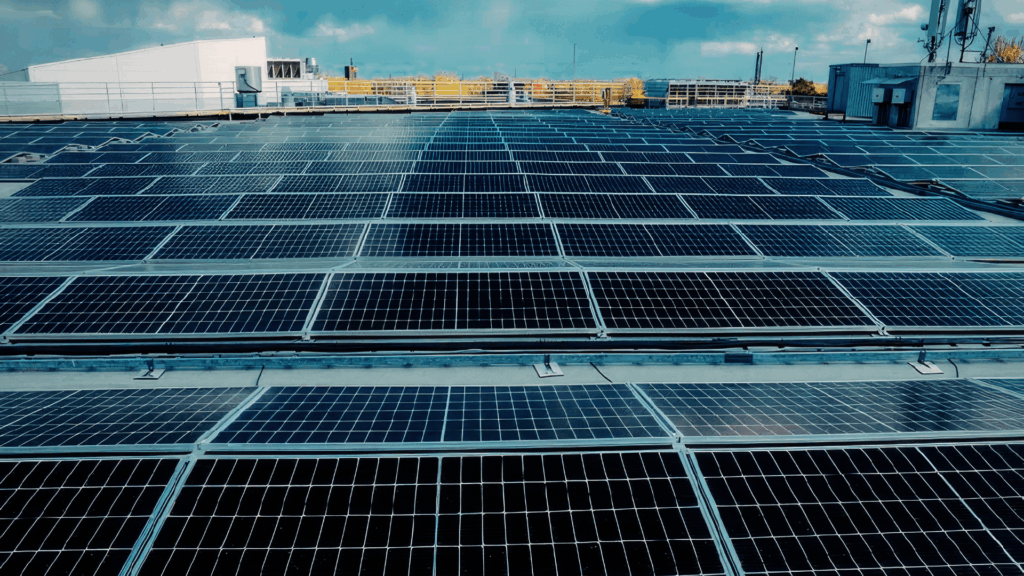
Estimating the carbon reduction from your rooftop solar system doesn’t need to be complicated. Here’s a simple way to calculate your carbon savings:
- Estimate the Energy Produced: Find out how much electricity your solar panels will generate annually. This information is typically provided by the solar installer and is based on factors like panel efficiency and your location.
- Use the Emission Factor: Multiply the annual electricity your solar system produces by the emission factor of the electricity you’re replacing. For example, if you’re replacing coal-based electricity, the average emission factor is around 0.7 kg of CO2 per kWh.
- Calculate the Reduction: The result will give you an estimate of how much carbon dioxide your solar panels will help reduce each year.
What to Check Before Choosing a Solar Loan?
Before committing to a solar loan, it’s important to consider the following factors to ensure a smooth experience:
- Interest Rates: Compare interest rates from different lenders. A lower rate means lower monthly payments and less interest paid over time.
- Repayment Terms: Check the loan duration and monthly payment amount. Ensure the terms fit within your budget and won’t strain your finances.
- Eligibility: Review the loan’s eligibility criteria, including credit score and income requirements, to ensure you qualify.
- Fees and Costs: Look for any origination fees or hidden costs that might increase the overall loan amount.
- Loan Conditions: Understand the loan’s terms regarding early repayment or penalties in case you decide to pay off the loan early.
When a Rooftop Solar Loan Makes the Most Sense
A rooftop solar loan is ideal in the following situations:
- Long-Term Homeownership: If you plan to stay in your home for several years, a solar loan makes sense as the use of solar energy pays for itself over time through lower energy bills. You’ll also own the solar panels once the loan is repaid.
- Rising Energy Costs: With electricity bills increasing, switching to solar energy offers a more stable, long-term solution. A solar loan can help offset current and future energy costs, saving you money in the long run.
- Available Incentives: If your area offers tax incentives or rebates for solar installation, a solar loan can allow you to benefit from these programs without paying the full amount upfront, making it a cost-effective way to go solar.
- Good Credit: If you have a strong credit score, you can secure a favourable loan with lower interest rates, making a solar loan an affordable option.
In these scenarios, a rooftop solar loan provides a clear path to reducing both energy costs and your carbon footprint.
Step-by-Step: How to Get Started
Assess Your Energy Needs
Review your electricity bills to determine how much energy you use. This helps decide the size of the solar system you’ll need.
Research Residential Solar Panel Installers
Get multiple quotes from trusted solar panel installers. Check reviews and ensure they offer warranties on the solar panels.
Explore Financing Options
Look for solar loan options with favourable interest rates and flexible terms to make solar energy affordable. You can get quick and simple solar loans with the EFL Clik App.
Schedule a Site Evaluation
The installer will assess your roof’s suitability for solar panels, considering factors like sun exposure and space.
Get Your Solar System Installed
Once approved, schedule the installation. The process typically takes a few days to complete.
Start Saving and Reducing Carbon
Once the system is running, you’ll enjoy lower energy bills and reduce your carbon footprint with clean energy.
Conclusion
Switching to solar energy is one of the most impactful steps you can take to reduce your carbon footprint and embrace a sustainable future. With options like rooftop solar loans, adopting solar power has never been more accessible. Not only can you lower your electricity bills, but you’ll also be contributing to a cleaner, greener planet by reducing carbon emissions.
Ready to reduce your carbon footprint and save on energy costs? Explore EFL’s solar loan options and start your journey towards clean energy today!
Frequently Asked Questions
Do solar panels really reduce our carbon footprint?
Yes, solar panels generate electricity from the sun, which significantly reduces the need for fossil fuel-based energy. This results in a lower carbon footprint as solar energy produces no carbon emissions.
How does taking a loan reduce emissions?
A solar loan enables homeowners to install solar panels without upfront costs, making it easier to switch to clean energy. This reduces reliance on fossil fuels, leading to a decrease in carbon emissions over time.
What’s a good loan tenure for rooftop solar?
A typical loan tenure for rooftop solar ranges from 5 to 7 years. A longer tenure offers lower monthly payments, while a shorter term saves on interest but requires higher monthly payments.
Is it better to pay cash or finance solar?
Paying cash for solar installation eliminates loan interest and provides full ownership from the start. However, financing through a solar loan allows for affordable monthly payments and helps retain cash flow for other investments while still enjoying the benefits of clean energy.