
Why Buy Used Machinery for Your Business?
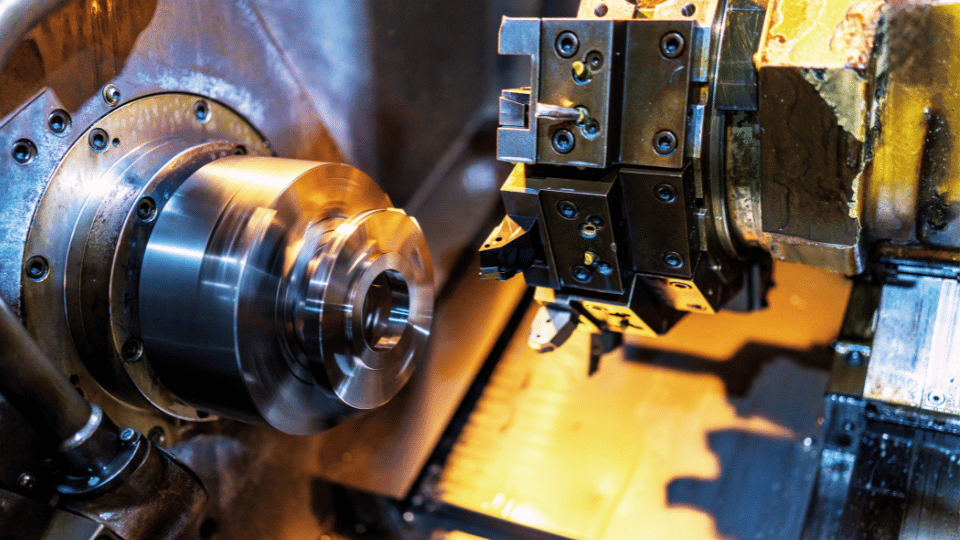
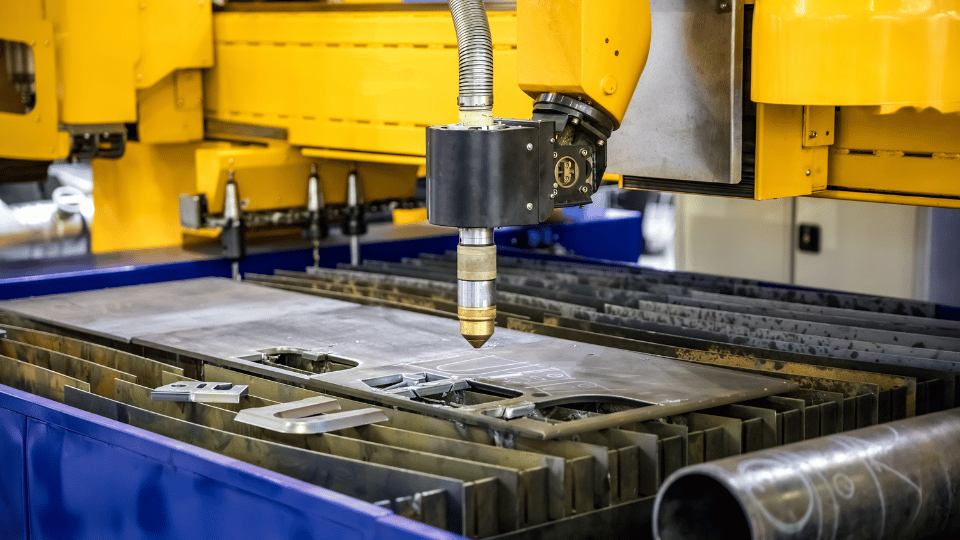
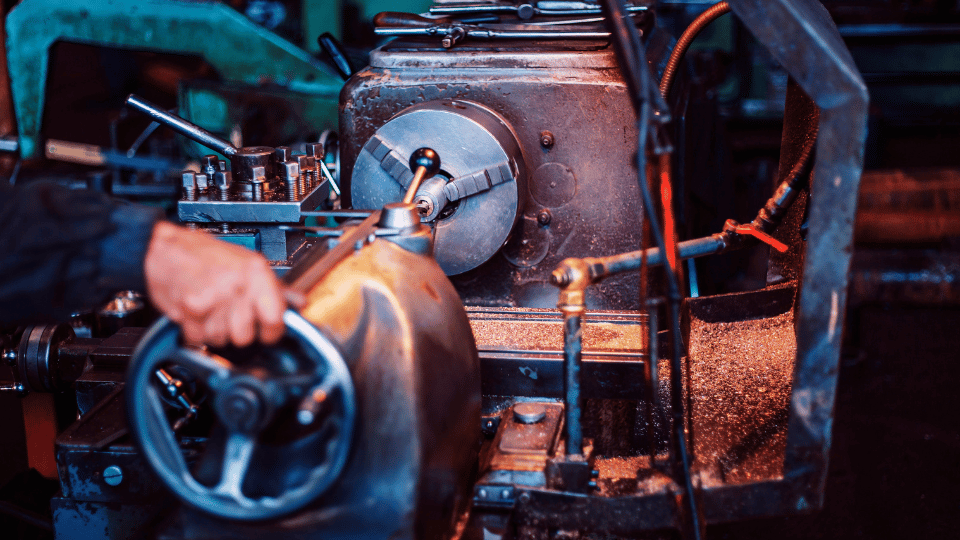
For many SMEs, buying used machinery benefits deliver immediate value: lower purchase price, quicker delivery, and access to models otherwise unaffordable new. Pre-owned equipment reduces upfront capital outlay, enables faster capacity additions, and often offers proven, rugged machines with available spares. For manufacturers and processors operating on tight margins, a used asset can accelerate production scaling without tying up working capital.
Financing Used Equipment: Loan vs Cash Purchase
Paying cash avoids interest but drains reserves and limits flexibility. Financing via a business loan or a second-hand equipment loan India lets you preserve cash for inventory, payroll, and working capital. Loans spread costs over time, match payments to revenue generated by the asset, and improve cash-flow predictability. Compare interest rates, processing fees, tenor, and prepayment charges when choosing between unsecured business loans, equipment finance, or BLAP-style options.
Benefits of a Loan Against Property to Fund Machinery
A Business Loan Against Property (BLAP) is a powerful route for larger used-equipment purchases. By pledging commercial or residential property as collateral, SMEs can unlock higher loan amounts and longer tenures than most unsecured options. Benefits include:
- Larger funding capacity, enabling purchase of high-value second-hand machines.
- Typically lower interest rates compared with unsecured business loans, reducing EMI burden.
- Longer repayment tenures, which spread cost and improve monthly affordability.
- Potential tax advantages when structured correctly.
- BLAP makes buying used machinery benefits more tangible: you access the asset now, scale production, and repay from increased cash flows.
Tips for Evaluating Used Equipment and Loan Terms
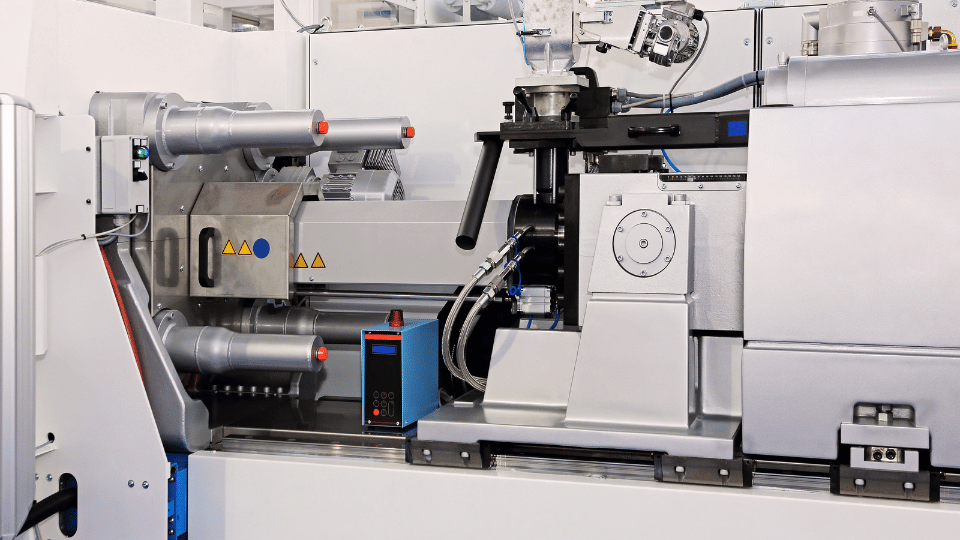
Before you buy or borrow, run a checklist:
- Technical due diligence: inspect age, operating hours, maintenance logs, spare-parts availability, and any refurbishment history.
- Performance test: request a live trial or video of the machine under load.
- Resale value: estimate secondary-market price; machines with steady resale maintain lender confidence.
- Seller credibility: prefer certified dealers, auctions with guarantees, or OEM-refurbished units.
When reviewing loan offers: - Compare annualised cost (effective interest rate), not just headline rate.
- Check for balloon payments, processing fees, prepayment penalties, and required insurance.
- Match loan tenor to economic life of the equipment to avoid owing on obsolete assets.
- If opting for BLAP, verify LTV limits, valuation process, and legal charge timelines.
How Financing Improves ROI and Affordability
Used machinery often costs a fraction of new but still represents a major investment. Financing reduces the initial cash hit and converts a lump sum into manageable EMIs. Lower EMI (relative to unsecured borrowing) preserves liquidity to handle raw materials, staff, and sales growth. When the financed equipment increases output or reduces per-unit costs, the incremental revenue can cover repayments and quickly improve ROI. For many SMEs, the combination of a well-chosen second-hand machine plus conservative financing delivers the quickest path to profitable scaling.
Risks and How to Mitigate Them
Buying used equipment and taking a loan involves risks: hidden wear, obsolete parts, and financing mismatches. Mitigate them by:
- Hiring a technical inspector or using third-party certifications.
- Negotiating short warranty or buy-back clauses with sellers.
- Structuring loan tenors to align with the machine’s remaining useful life.
- Maintaining an operational contingency fund for repairs.
Where to Learn More
For a deep dive into financing options and practical how-tos, see our posts:
- “Unlocking Value: All the Benefits of Taking Business Loans Against Used Machines”
- “The Pros and Cons of a Machinery Loan: BLAP for Used Machinery”
Takeaway: Make Second-Hand Work for You
Buying used machinery benefits are strongest when paired with the right financing—whether a business loan, specialized equipment finance, or a loan against property. If you need larger funding, consider a second-hand equipment loan or BLAP to secure lower EMIs and preserve working capital. With careful vetting and conservative loan structuring, buying pre-owned industrial assets becomes an accessible path to scalable growth.