
Key Takeaways
- Upgrading to modern machinery is the fastest way to increase production speed and meet the demands of larger, high-value contracts.
- Avoid depleting your daily working capital for big purchases. A machinery loan spreads the cost, keeping your liquidity intact.
- Leverage tax benefits through accelerated depreciation and interest deductions.
- Choose machines based on long-term Return on Investment (ROI)—look at energy efficiency, scrap reduction, and local spare part availability.
Business Growth Stuck? The Right Machinery Loan Can Help You Grow Your Business
Growth can stall quietly. One month, you’re fulfilling orders; the next, timelines slip, defect rates rise, and clients hesitate to repeat business. Often, the cause is practical – ageing equipment, lack of advanced equipment, bottlenecks on the shop floor, or a lack of capacity to take on larger orders. Upgrading machinery solves this, but the capital outlay scares many business owners away, and business loans cannot cater to such a need.
Specialised asset financing, like a machinery loan, removes that obstacle and helps the business stay competitive. With the machinery and equipment and the right finance, you can increase throughput, improve quality and cut per-unit costs without draining working capital.
Let us understand why growth stalls, how the right machine transforms operations, why buying new equipment is hard for many SMEs, how to choose the right machine, and where a practical machinery loan for business fits into the plan.
Why Your Business Growth Might Be Stuck
- Limited production output: Old machines run slower and require more operator attention.
- Low machine efficiency: Older technology in equipment and machinery wastes raw material and time.
- High maintenance cost: Frequent breakdowns eat cash and cause schedule slips.
- Manual operations that slow timelines: Human-heavy processes increase variability.
- Inability to fulfil large orders: Customers demand scale and consistency that you cannot yet deliver.
These are problems you can measure and fix once you accept that capacity and capability drive growth.
How the Right Financing Option or Machinery Loan Can Transform Your Business
Increased Production Capacity
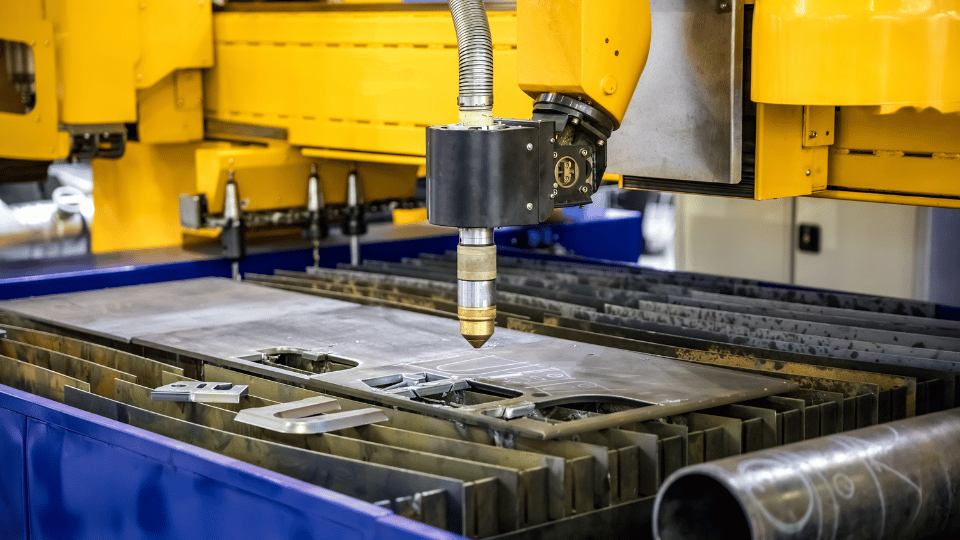
A new machine raises your maximum output. For instance, replacing an old press with a modern automatic press can help you scale operations by multiplying daily throughput. This way, you can accept larger contracts.
Better Product Quality
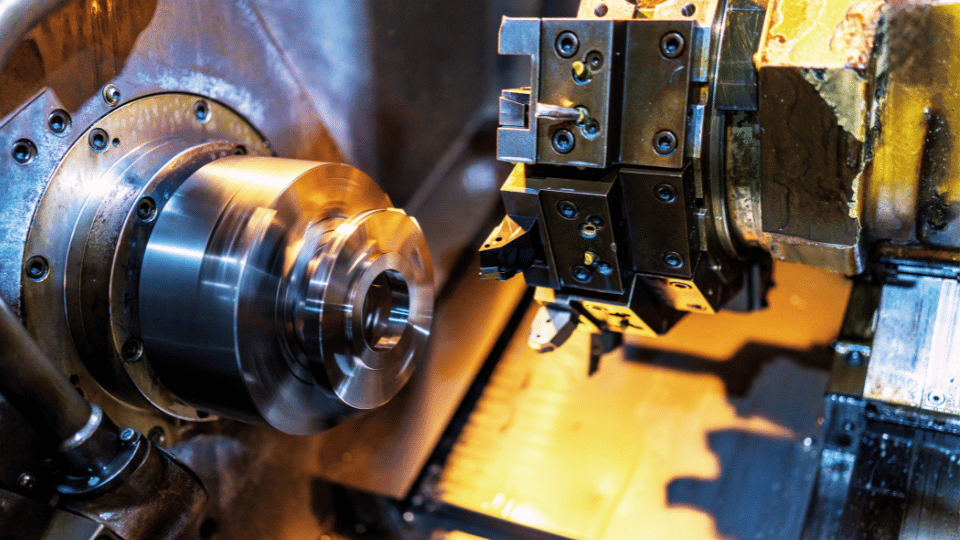
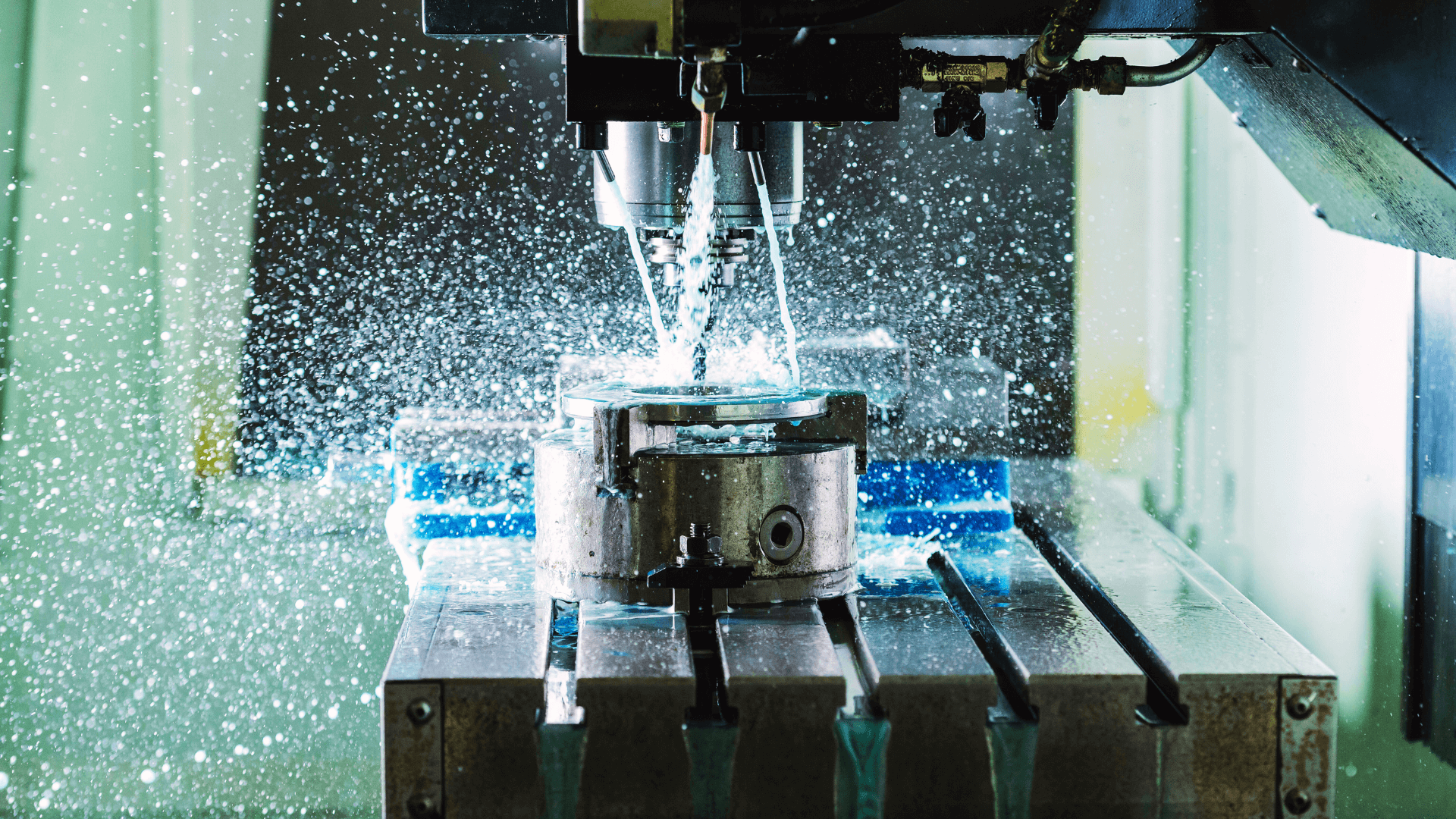
Investing in modern equipment and precision tools – think CNC or VMC machines – means tighter tolerances and fewer rejects. Customers value consistency, and repeat orders follow quality.
Faster Turnaround Time
Automation shortens cycle times and boosts productivity exponentially. Packaging machinery and modern printing equipment enable faster order fulfilment, reducing lead time from weeks to days.
Improved Safety and Lower Downtime
Operational and occupational safety norms are crucial for the manufacturing sector. Newer machines have better safety interlocks and remote diagnostics. New approaches like predictive maintenance help businesses reduce unplanned downtime and repair bills.
Reduced Operational Costs
Energy-efficient units and optimised tooling lower per-unit costs. Combined with lower scrap and rework, margins improve despite loan repayments. Business-critical machines also reduce the taxable income as per Section 32 of the Indian Income Tax Act. This means you get a respite on taxes while you expand your business.
Examples: Investing in a new CNC lathe improves part accuracy; a packaging line speeds up dispatch; and a digital press financed through a machine loan may reduce make-ready waste.
Why Do SMEs Struggle to Buy New Machinery?
- High upfront investment: Modern machines cost lakhs or crores
- Cash flow limitations: Tying up capital in equipment squeezes daily operations
- Fear of risk: Owners worry about sales volatility and payback
This is where financing makes sense: it spreads the cost, aligns payments with the machine’s earning potential, and keeps working capital usable for urgent needs. When you combine a clear business case with a structured machine loan, the investment becomes manageable.
How to Choose the Right Machine for Your Business
When choosing newer equipment or the latest machinery with the aim of optimising or expanding operations, start by mapping production needs:
- Which process limits output today?
- What is the capacity and equipment upgrade needed to stay ahead of the competition?
- Consider the automation level and how it affects labour skills.
Energy efficiency also matters, so compare the cost of business operations, not just the purchase price. Check brand reliability and availability of spares locally because downtime cost is the real price of choice.
Think in terms of long-term ROI that the business requires. You can also consider equipment finance packages. A higher upfront cost may be justified by lower operating expenses and better throughput. Where possible, test or demo the machine, ask for real case studies from the vendor, and ensure training and warranty support are included.
If you prefer lower upfront cash outlay, a machine lease or a lease-to-own plan could be more appropriate, as they free capital and often include service support.
Before you commit, run a simple cash-flow model and check the repayment terms – additional monthly revenue minus EMIs/lease cost should yield a positive net cash contribution.
If it does, the loan is not a cost – it’s an investment. You can explore safe, reliable, and comprehensive solutions for your financing needs with the EFL Clik App.
Conclusion
When growth is stuck, machinery is often the lever that restarts momentum. Reliable machinery raises capacity, quality and speed. The right equipment financing helps you acquire it without endangering operations. Assess your production bottleneck, choose a machine that addresses it, then match the purchase with a financing plan that aligns repayments to the value the machine creates.
For practical finance options, explore EFL’s machine loan options that provide tailored plans that suit MSME cash flows.
FAQs
How do machine loans help small businesses grow?
Machine loans divide capital expense into manageable EMIs, letting firms upgrade without depleting working capital – so you can fulfil more orders and improve margins.
What types of machinery can be financed through a loan?
Everything from CNC and VMC units to packaging lines, printing presses, and process automation equipment can typically be financed.
Is a machine loan better than using working capital?
Yes, because working capital should fund day-to-day operations. A machine loan preserves liquidity and links payments to the machine’s earning profile.
What documents are required for a machine loan?
Typically, the documents required for a machine loan are your business KYC, recent bank statements, GST returns, and a pro forma invoice for the machine. Exact lists vary by lender.