
A decision to go solar is often greeted with excitement but the payment method chosen can alter how quickly savings are realised and which benefits are captured over time. For homeowners and small business owners, the trade-offs between paying cash, taking a rooftop solar loan, or opting for a lease are explained in this guide so that the option matching individual finances and goals can be selected.
Costs Involved in Solar Installation (Panel + Inverter + Mounting)
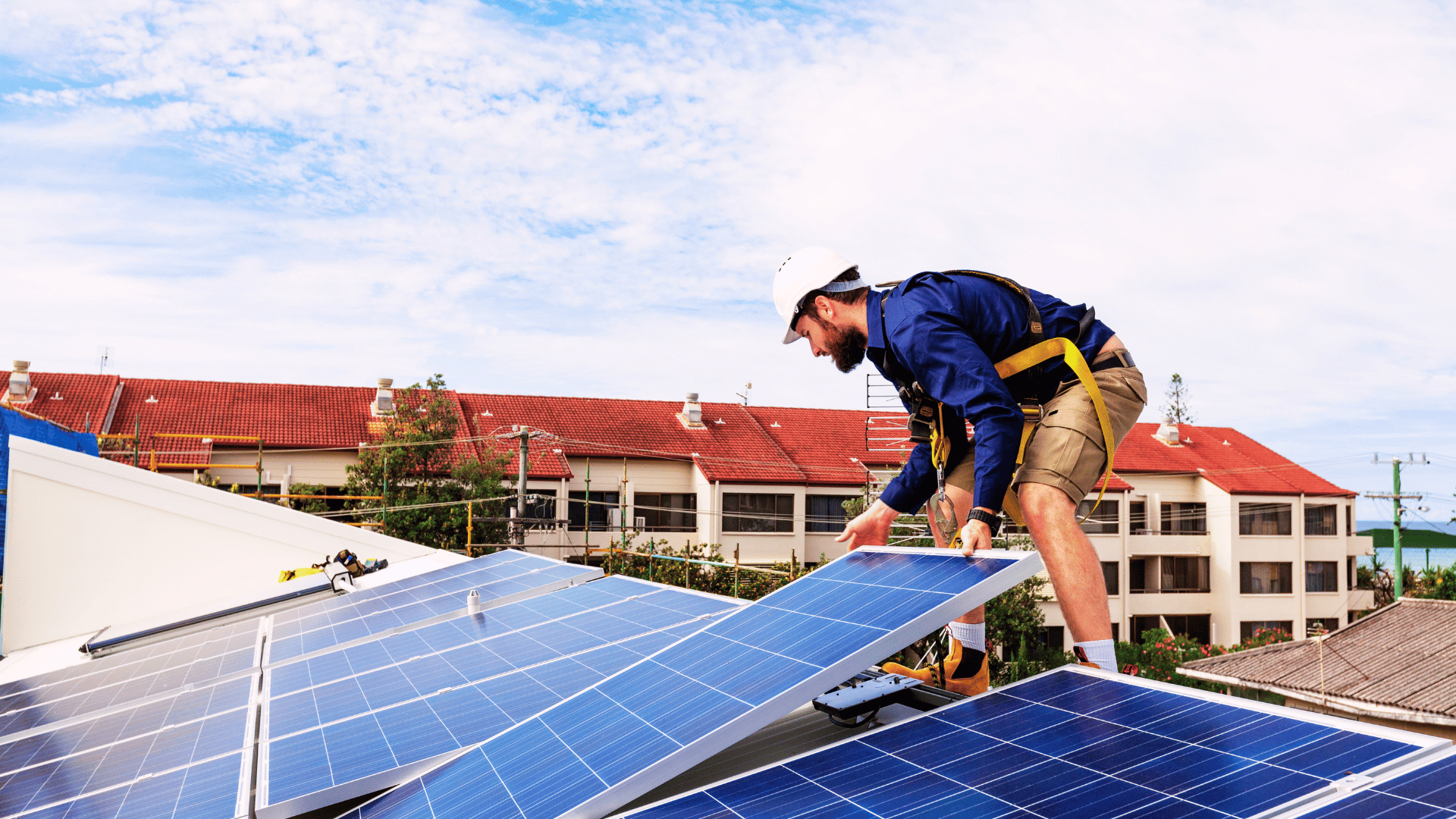
More than panels are typically covered by a rooftop solar price. Costs for panels, the inverter (string, hybrid, or micro-inverters), mounting and structural work, cabling, installation labour, system design, permits, and grid-connection fees are generally expected. In India, government subsidies are often available for residential and small commercial systems, and the effective upfront price is reduced by them eligibility for domestic components and system size should be checked before a decision is made.
Paying Cash: Benefits and Drawbacks
A cash payment is the simplest route. Interest payments are avoided, the payback period is shortened, and full ownership is obtained from day one. All subsidies, tax benefits, and the property-value increase associated with an installed system are captured. For those who do not require the money for other uses, cash is presented as the best pure financial option.
However, downsides are present. A large chunk of capital is typically tied up, which might otherwise be used for emergencies, business needs, or other investments. An opportunity cost is also created: if higher after-tax returns could be earned elsewhere than the interest that would be paid on a low-rate loan, financing could be found to be the smarter choice. For many, the decision is determined by whether interest avoidance outweighs the value of liquidity preservation.
Financing with a Solar Loan (Interest Rates, Tenure)
With loans, the upfront cost is spread while savings on electricity bills begin immediately. The following should be checked:
• Solar panel loan interest rates: Variation by lender and borrower profile is common. Lower rates are often offered by dedicated rooftop solar loans or green loans because of government support and subsidy structures.
• Tenure: Loan tenures of 3–10 years are commonly available. While longer tenures reduce monthly payments, total interest paid is increased.
• Subsidies and ownership: Many loans are structured so that subsidies and tax benefits can still be claimed, since system ownership is retained.
Tata Power’s analysis is cited to show that better long-term financial rewards tax advantages and increased property value are offered by ownership, while adoption is accelerated by loans without complete cash depletion.
Lease vs Loan: Key Differences
• Ownership and incentives: With a loan, system ownership is held and subsidies, tax benefits, and value appreciation are received. With a lease, ownership is retained by a third party, and incentives are typically allocated to the lessor.
• Costs and maintenance: Predictable monthly payments and included maintenance are often provided by leases, reducing hassle. While loans may incur lower lifetime costs, responsibility for upkeep is borne by the owner.
• Flexibility: Selling a property is made simpler by ownership via loan, and direct benefits from net metering are obtained. Home sales or transfers are sometimes complicated by leases.
• If long-term financial gain and incentive claims are priorities, financing by loan is usually indicated as the better choice. If minimal responsibility and no upfront cost are prioritized, a lease is presented as attractive though some long-term upside is typically relinquished.
Long-term Savings: Net Metering, Tax Credits, and ROI
Net metering (credit for excess electricity exported to the grid), government subsidies, and tax benefits are factors that strongly influence ROI. Direct benefits from net metering credits are obtained when the system is owned either by cash payment or via loan and the effective cost is reduced by subsidies. When a low-interest loan is taken, monthly bill savings can often cover or exceed repayments, making the switch cash-neutral or positive from the outset. Incentives are often received by lessors when leasing is chosen, and direct savings for the lessee are therefore reduced.
Which option suits you?
• Cash payment is recommended if ample reserves are held and maximum lifetime returns are desired.
• A rooftop solar loan (for example, EFL’s loan with government subsidies) is suitable if capital is desired to be preserved while ownership and incentives are retained and costs are spread.
• Leasing is suggested if no upfront cost and included maintenance are required and incentives or property-value gains are not needed.
Practical next steps
1. Three quotes, including subsidy adjustments, should be obtained.
2. Exact solar panel loan interest rates and total interest figures over the term should be requested from lenders.
3. Net metering rules in the state should be confirmed.
4. A simple cash vs loan vs lease comparison should be conducted using expected bill savings and incentives.
FAQs
1. How are solar panel loan interest rates affecting my decision?
The total cost is increased and the payback is lengthened by higher interest. Loans can be made more attractive by low or subsidized rates because monthly savings may offset repayments while liquidity is preserved.
2. Will government subsidies still be received if a loan is taken?
In most cases, yes provided system ownership is held. Confirmation should be obtained from the lender and installer; certain loans are specifically structured to align with subsidy schemes.
3. Is maintenance included in leasing?
Maintenance is often included leases frequently provide maintenance coverage, which reduces hassle but can lower long-term savings when compared with ownership.
4. Which will save more over 20 years cash or a loan?
If cash would be invested elsewhere for higher returns than the loan interest, financing may be more favorable. Otherwise, higher net savings over the long term are typically produced by paying cash due to interest avoidance.