
How to Get Subsidies and Loans for Rooftop Solar Under PM Surya Ghar
High electricity bills, frequent tariff hikes and unused roof space are pushing many Indians to finally act on rooftop solar. The good news- with the PM Surya Ghar loan scheme and dedicated rooftop solar loan subsidy India framework, going solar is more affordable than it has ever been.
By December 2025, about 23.9 lakh households had already installed rooftop solar systems under PM-Surya Ghar and subsidies of around ₹13,464 crores had been disbursed – a strong signal that the scheme is well-funded and in high demand. This guide walks through how to use the scheme plus a bank/NBFC loan to cover most of your installation cost without straining your savings.
What is the PM Surya Ghar Scheme
PM Surya Ghar: Muft Bijli Yojana is a Central Government programme launched in February 2024 to accelerate rooftop solar adoption, especially among residential consumers. The headline promise is up to 300 units of free electricity per month through a mix of subsidy support and solar generation from your own rooftop system.
The scheme is implemented via the National Portal for Rooftop Solar, where you register using your electricity consumer number, choose an empanelled vendor and apply for rooftop solar under your DISCOM. After installation and inspection, the subsidy is transferred directly to your bank account, reducing the net cost of your plant.
Subsidy and Loan Options for Homes and SMEs
Under PM-Surya Ghar, subsidy is linked to the size of your plant (in kW), with smaller residential systems (around 1–3 kW) enjoying higher support per kW to keep entry costs low for typical households. Larger systems still receive subsidy up to a cap, but a greater share of the cost is met through your own funds or loans.
SMEs and small commercial users may not always get identical central subsidy slabs but can benefit from state incentives, net metering and tax benefits like accelerated depreciation, which are powerful when combined with a well-structured rooftop solar loan. This is where your internal post “Is the Government Really Covering the Installation Cost?” can clarify that subsidies reduce cost substantially but do not usually make installations completely free.
To bridge the remaining gap, banks and NBFCs offer dedicated rooftop solar loans.
Generally, India’s largest public sector banks offers rooftop solar loans aligned with PM Surya Ghar; reports indicate financing up to about ₹6 Lakhs for eligible residential customers, enough for typical 3–6 kW systems after subsidy.
How to Apply
You’ll typically handle two tracks together- the scheme and the loan.
- Register and apply under PM Surya Ghar.
- Go to the National Portal for Rooftop Solar, select your state/DISCOM and sign up with your consumer details.
- Choose an empanelled vendor and system size based on your usage and roof area; your DISCOM then checks feasibility and net-metering.
- Arrange your rooftop solar loan.
- Collect documents like KYC (PAN, Aadhaar), recent electricity bills, bank statements (6-12 months), income proof (ITR/salary slips/financials) and the vendor’s quotation.
- Apply with a lender from PSU bank or NBFC for a PM Surya Ghar loan scheme-compatible rooftop solar loan. On approval, funds are typically disbursed to the vendor so installation can start.
Installation, inspection and subsidy
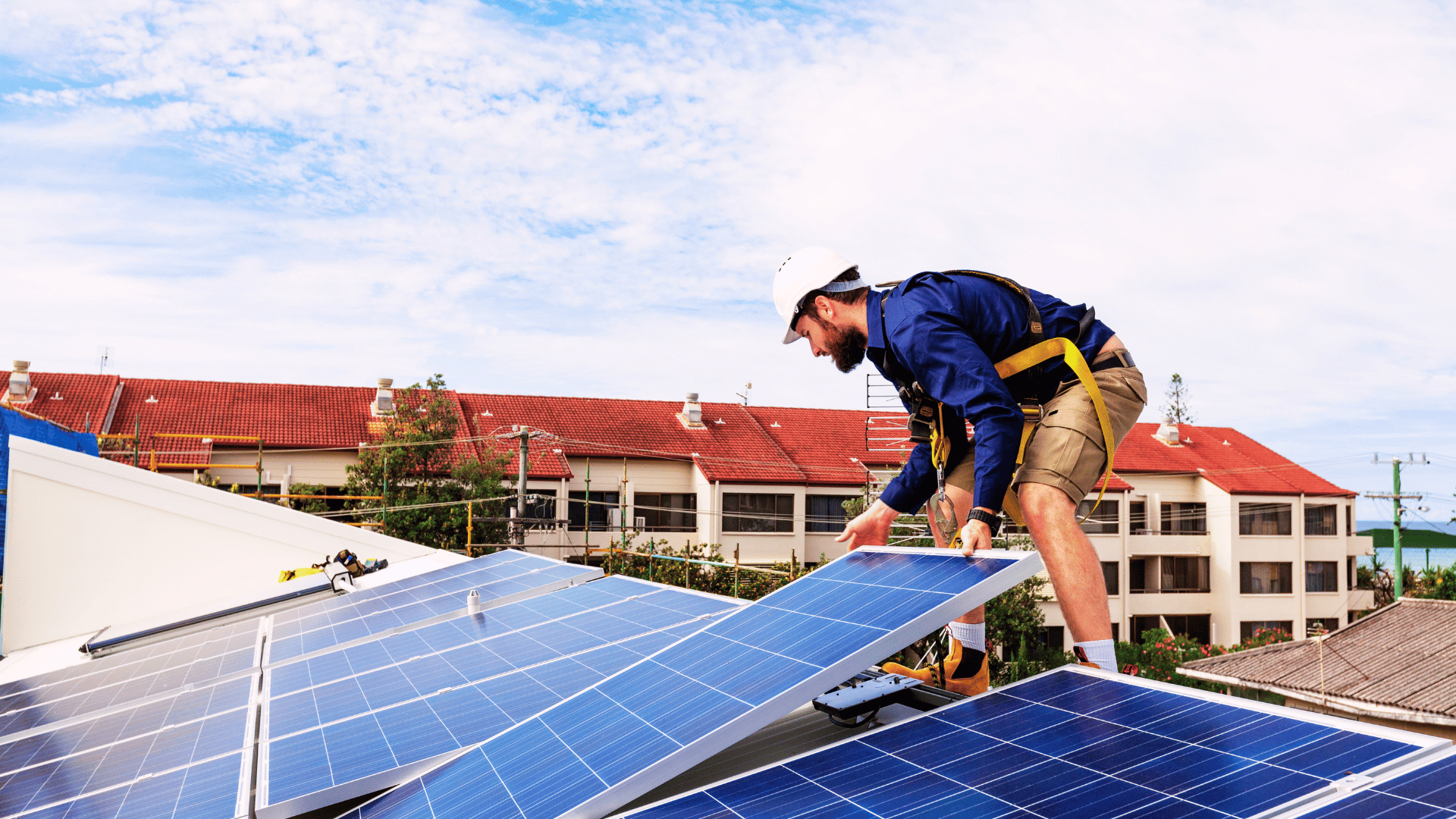
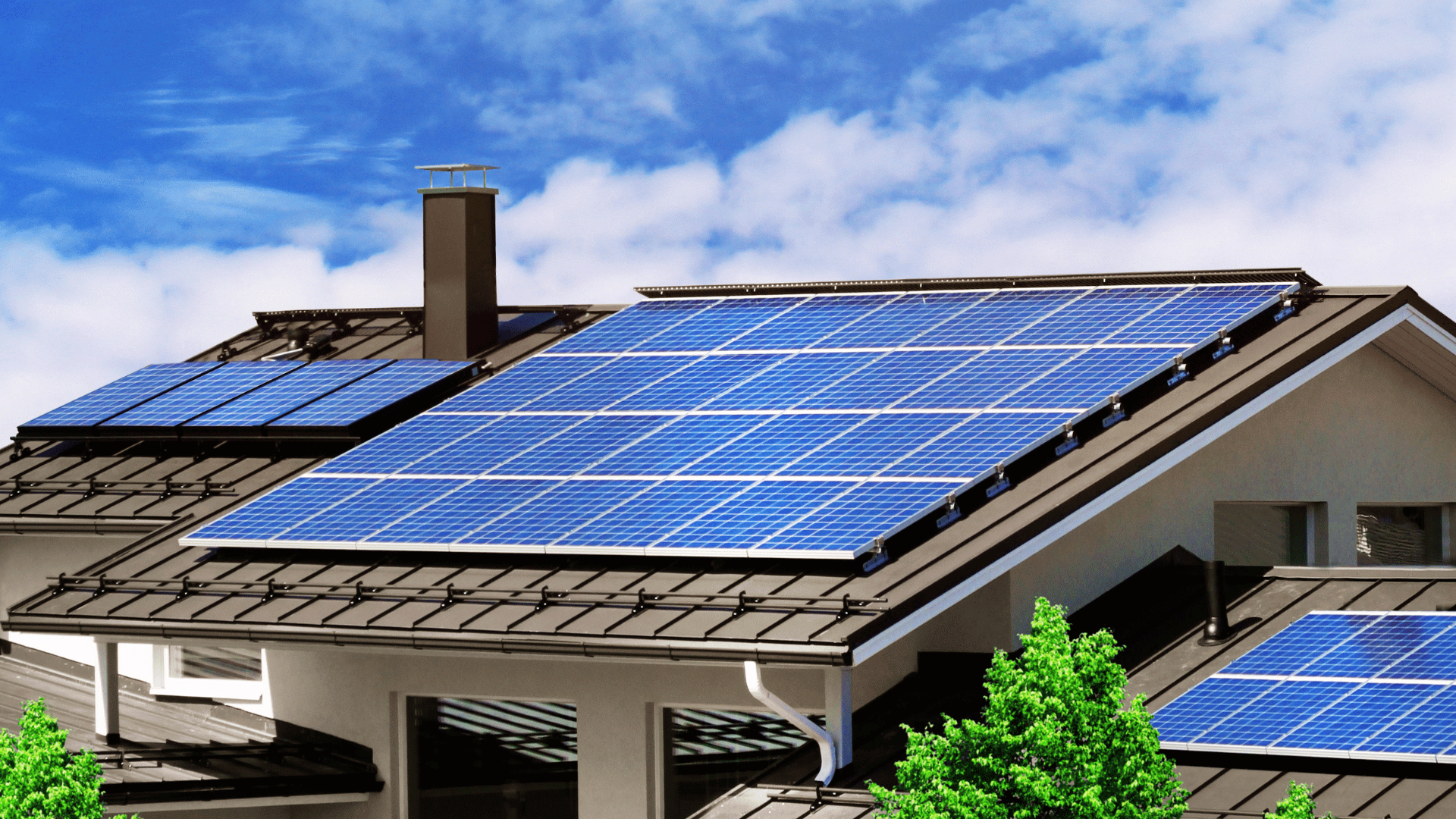
- The vendor installs the system; DISCOM inspects, installs a net meter and issues commissioning documents.
- Uploading these on the portal triggers direct subsidy transfer to your bank account, reducing your effective net cost.
How Subsidy + Loan Work Together
Imagine a 3 kW rooftop solar system for a home or small office.
Total cost: about ₹1,80,000 (all-inclusive)
Illustrative subsidy under PM Surya Ghar: say ₹60,000 for 3 kW (actual slab depends on official notifications)
Net cost after subsidy: ₹1,20,000
You finance ₹1,20,000 via a rooftop solar loan
Tenure: 5 years, interest ~11% p.a. (illustrative)
EMI: roughly ₹2,600–₹2,700 per month
For many users currently paying ₹3,000-₹4,000 in monthly electricity bills, the EMI is in the same range, but their grid usage and bills drop thanks to solar generation. In effect, the PM Surya Ghar loan scheme plus the wider rooftop solar loan subsidy India ecosystem lets you replace a rising electricity bill with a predictable EMI that eventually ends, while the solar plant keeps generating savings for years after.
FAQs on PM Surya Ghar Subsidy and Solar Loans
Who is eligible for the PM Surya Ghar scheme?
Residential electricity consumers with a suitable rooftop and a valid connection from a participating DISCOM are generally eligible, subject to scheme and state-level rules. The consumer must apply through the National Portal and use an empanelled vendor approved by the DISCOM.
Can SMEs also benefit from PM Surya Ghar?
The core subsidy slabs focus on residential customers, but SMEs can benefit through state schemes, net-metering, tax benefits and dedicated SME rooftop solar loans from lenders like EFL. For many small businesses, the savings and loan structure are still attractive even without the same residential subsidy.
How much loan can I get for rooftop solar?
Typically banks provide rooftop solar loans up to around ₹6 Lakhs for eligible residential customers, based on income and credit profile.
Do I get subsidy upfront or after installation?
The capital subsidy under PM Surya Ghar is usually credited after the system is installed, inspected and commissioned, and after you upload required documents on the national portal. This is why many users combine subsidy with a loan to manage cash flow until the subsidy hits their account.
Can I pre-pay my rooftop solar loan?
Most banks and NBFCs allow part-prepayment or foreclosure, sometimes with a small charge depending on the product. Prepaying can reduce interest outgo and shorten the effective payback period of your solar investment.
Is rooftop solar still worth it if my bill is low?
If your monthly bill is modest, you may install a smaller system to cover a portion of your consumption, especially if you expect usage to grow (new appliances, EV, etc.). The payback may be longer, but the plant still offers long-term protection against tariff hikes and improves property value.